The Great Pest-Killing Festival: Hanoi’s Lively Market
Get link
Facebook
X
Pinterest
Email
Other Apps
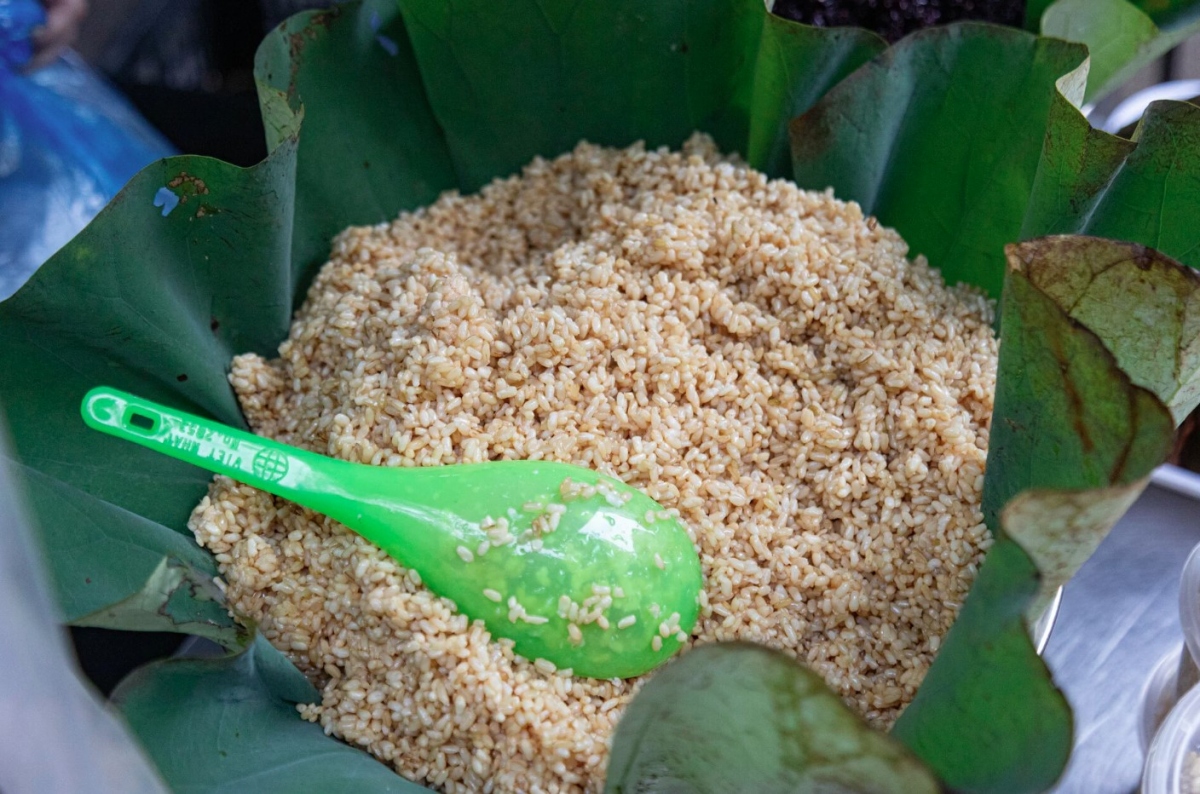
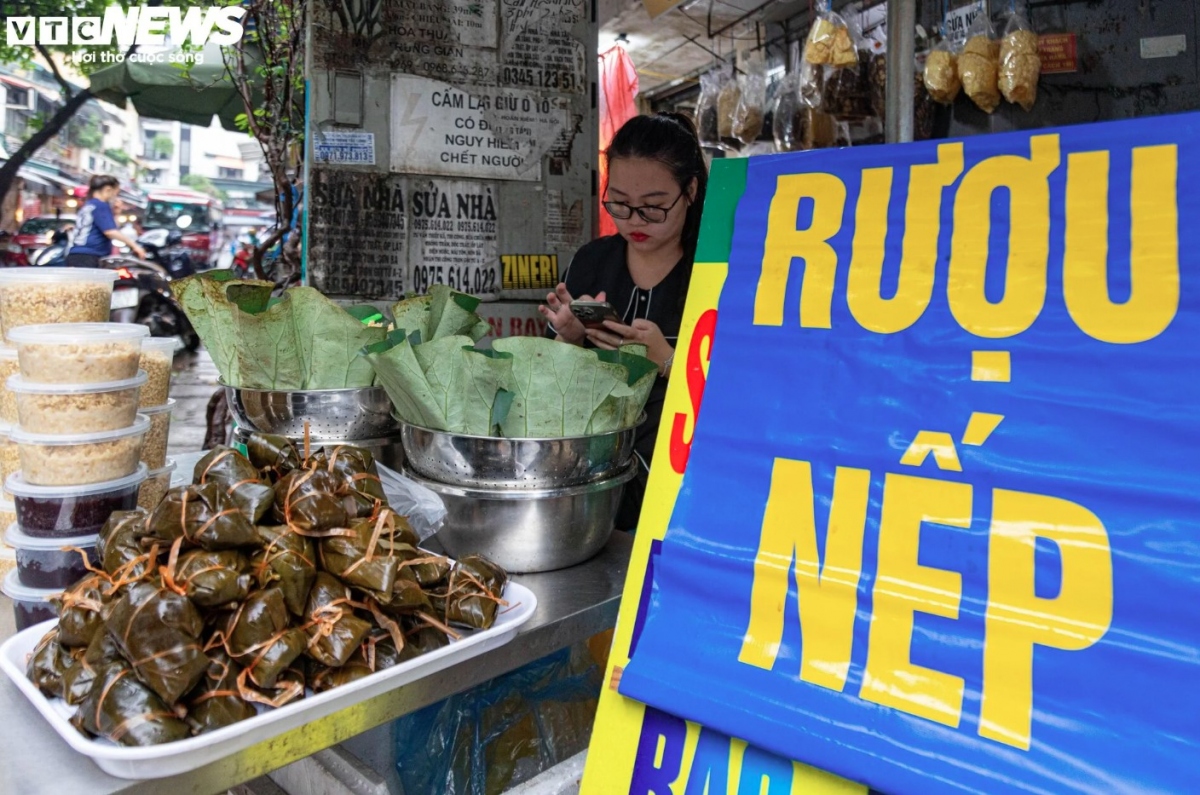
Among the offerings to our ancestors, Rượu nếp (fermented glutinous rice) holds a special place. It is believed that consuming this delicacy not only honors our traditions but also brings good health and protection against illnesses.
A one-kilo package of this traditional delicacy typically costs VND80,000-100,000, making it an affordable luxury for many families during this special occasion.
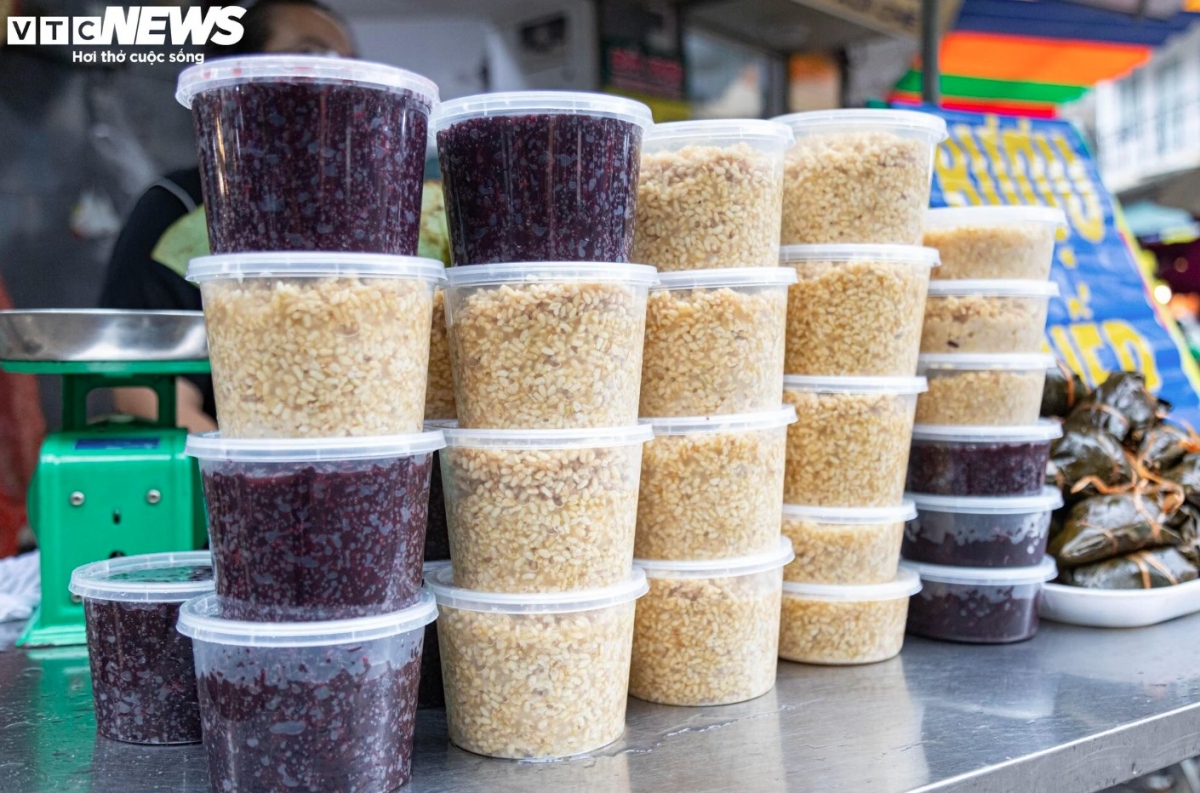
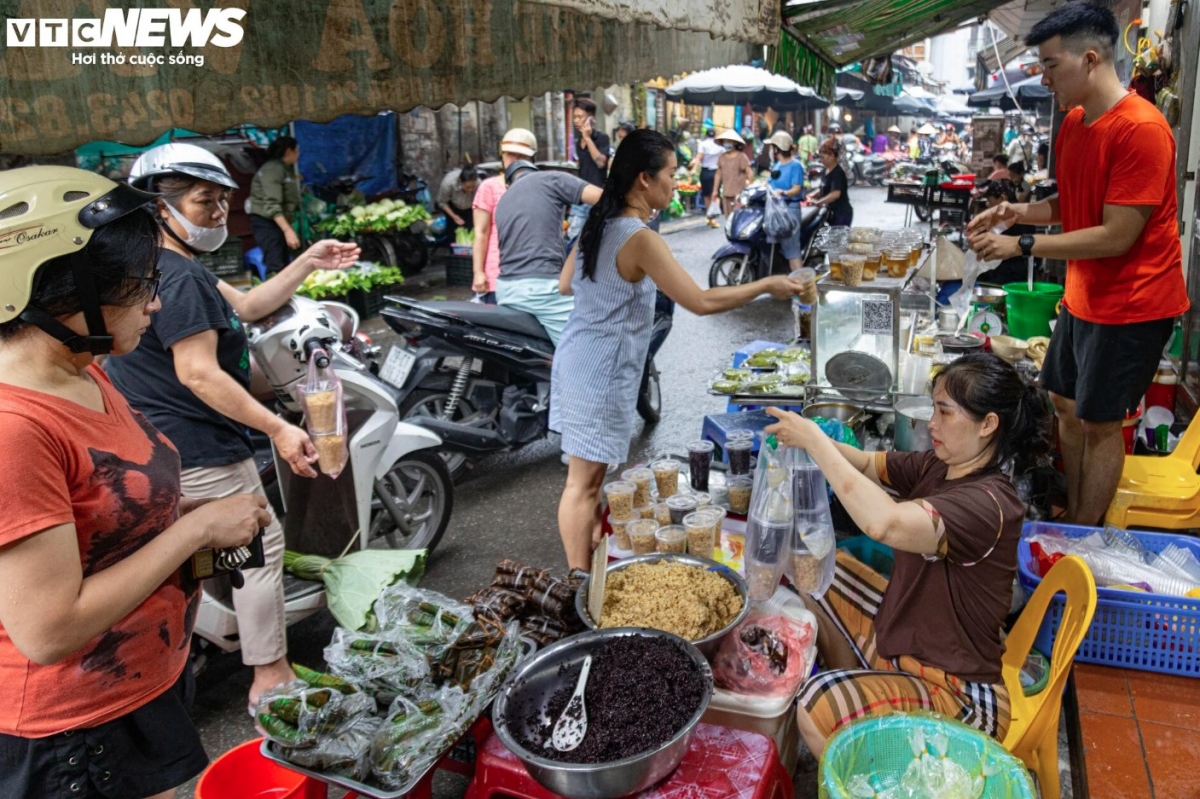
Fermented glutinous rice is often stored in plastic containers, with prices ranging from VND25,000 to VND50,000, depending on the size. It’s a convenient and cost-effective way to preserve this delicious treat.
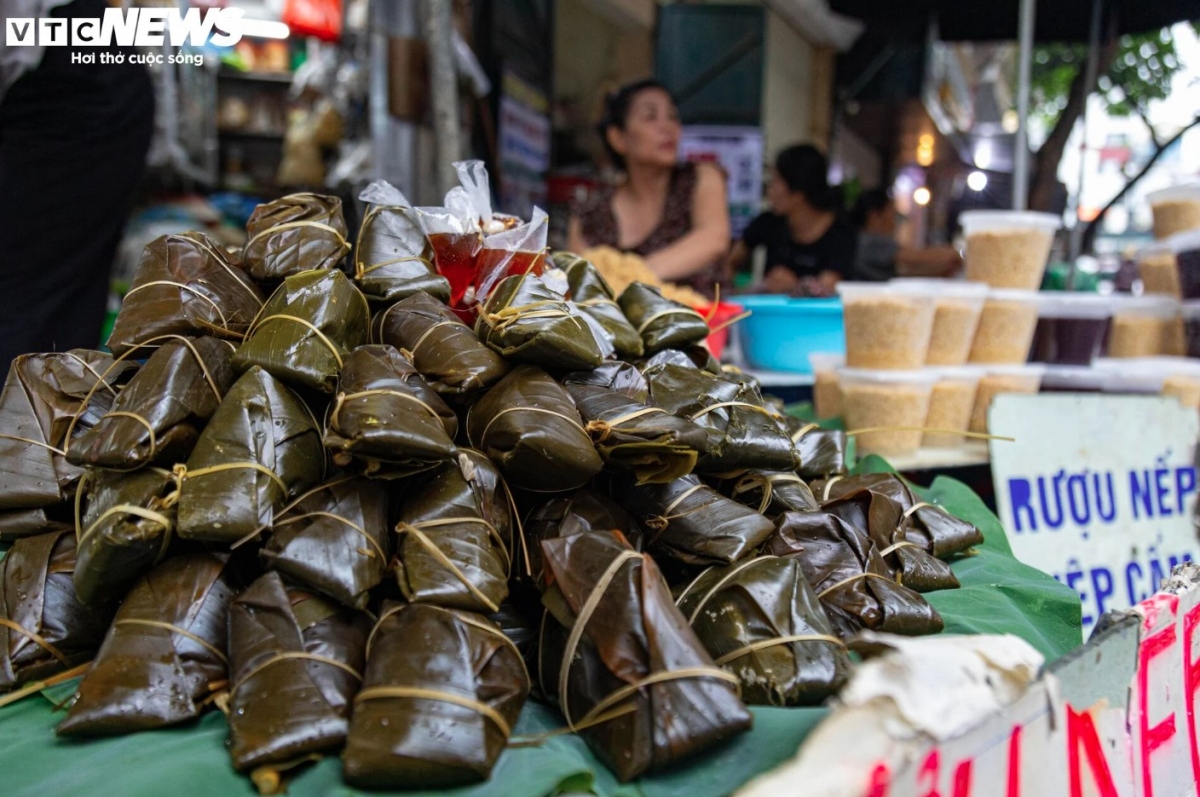
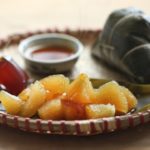
In Vietnamese culture, there is a beautiful tradition of starting the day with sour fruit, glutinous rice wine, and Tro cake. This custom is believed to bring good health and ward off diseases, connecting us to our ancestral roots.
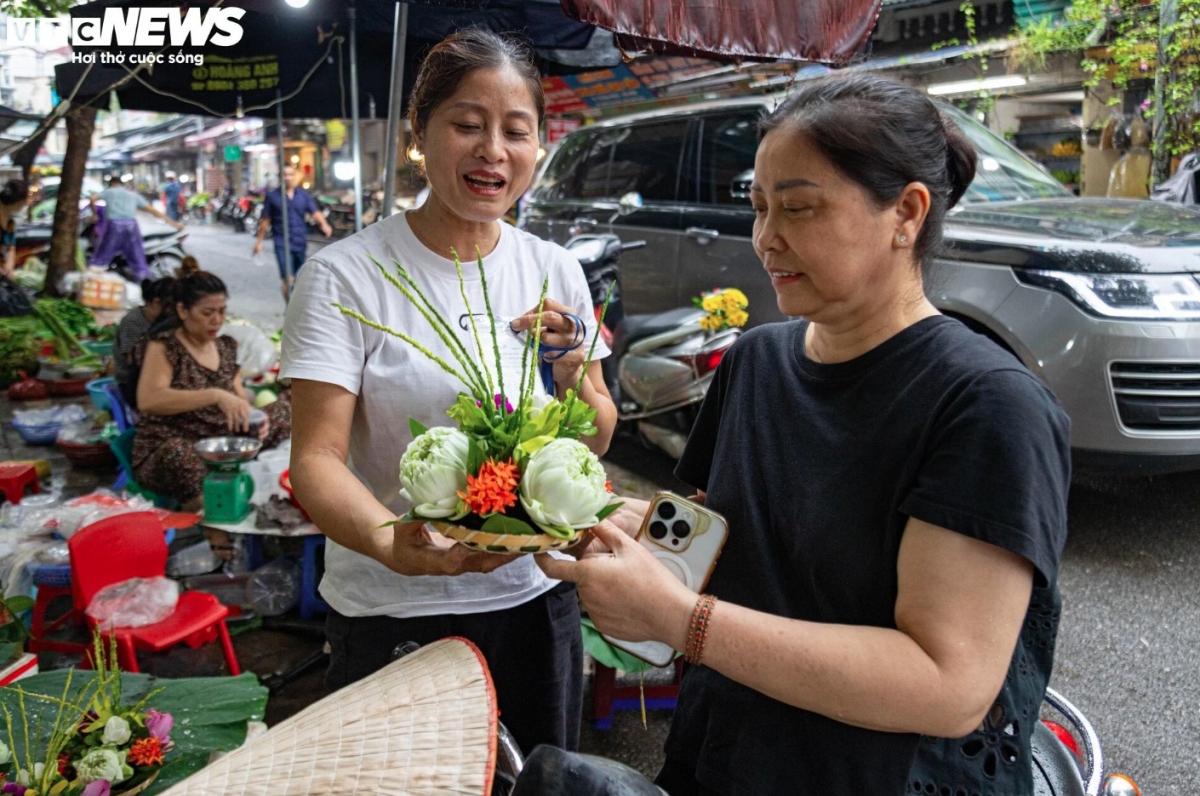
When preparing offerings for our ancestors, a tray adorned with flowers, fruits, and fermented glutinous rice is a beautiful way to show our respect and gratitude.
Tro cake, a unique delicacy made from glutinous rice and mistletoe ash, is a popular choice for customers at the market. With prices ranging from VND10,000 to VND15,000 per cake, it’s an affordable treat to include in the offerings.
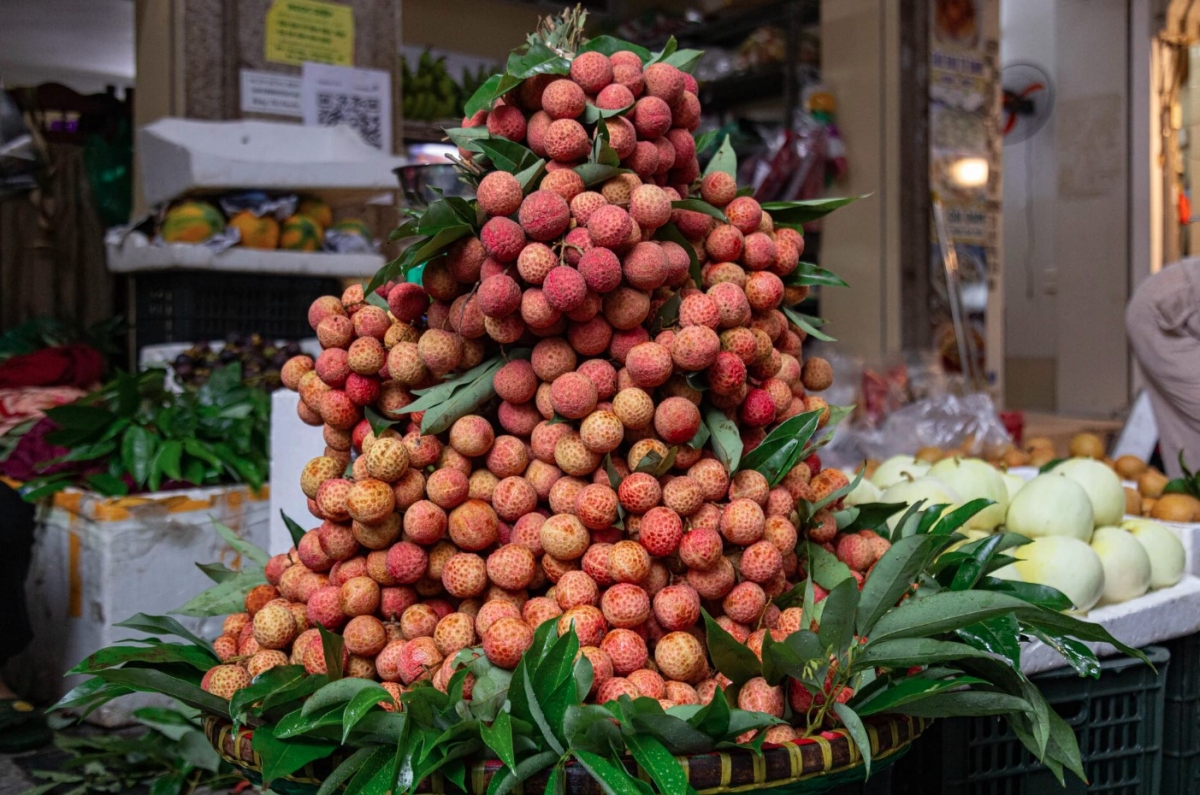
To enhance the festive atmosphere, consider adding some fresh and sour fruits like plums and lychees. These fruits not only taste delicious but also symbolize good health and prosperity.
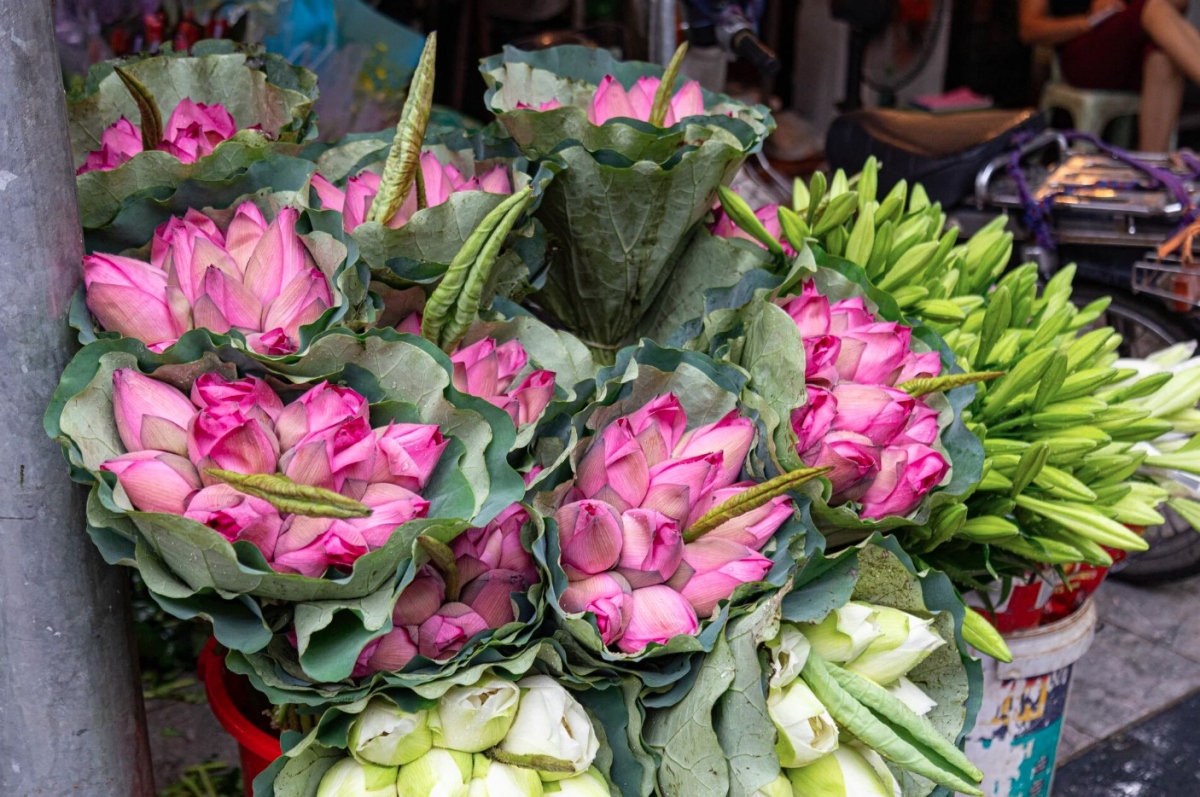
For those looking to decorate their altars or offering trays, a bunch of lotus flowers priced at VND120,000 adds a touch of elegance and cultural significance.
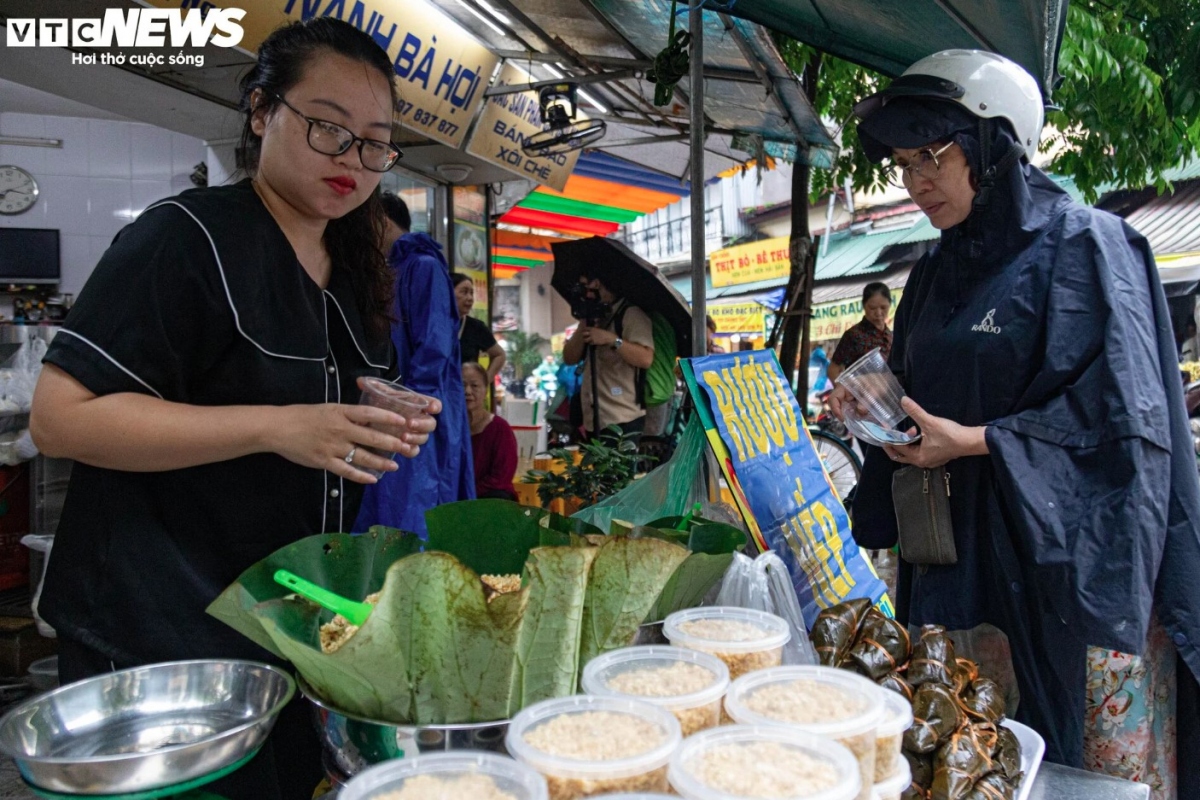
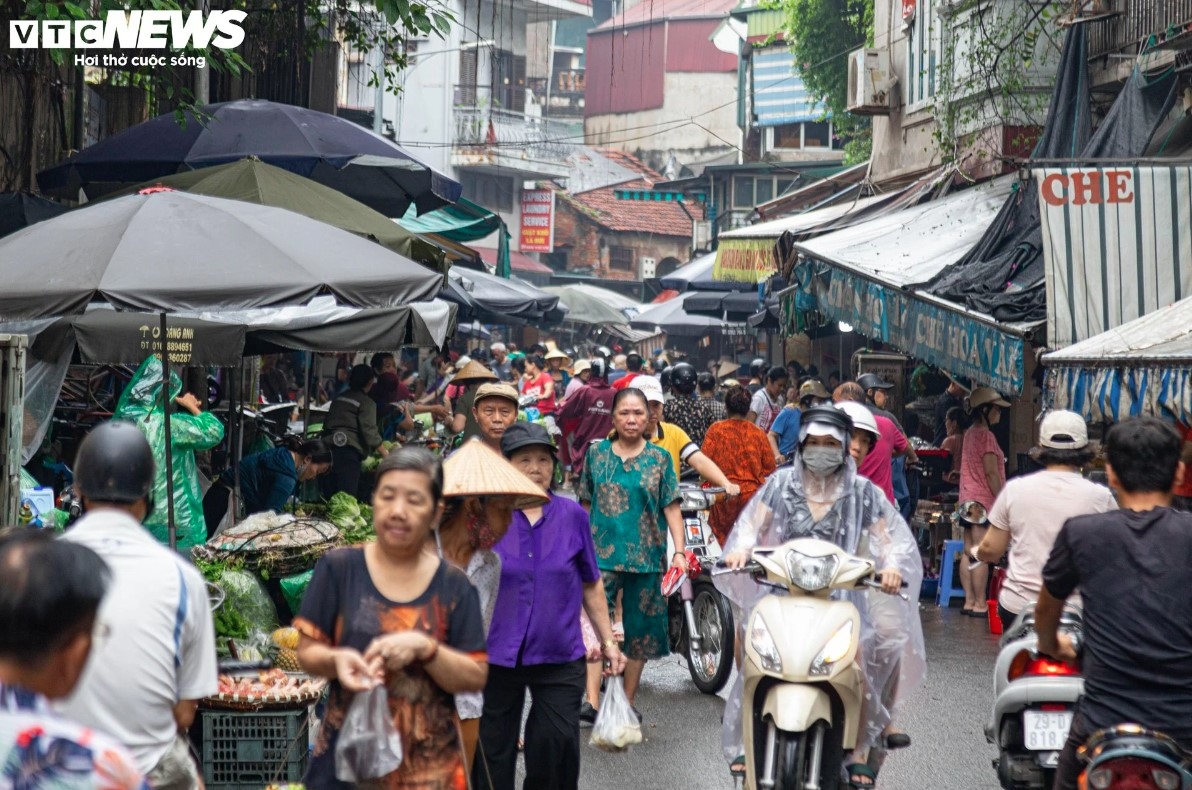
The Thanh Ha market in Hoan Kiem district buzzes with activity as people flock to purchase offerings for the Doan Ngo Festival, which falls on June 10 this year. It’s a vibrant scene filled with the colors and aromas of traditional Vietnamese culture.
The Doan Ngo Festival is a special day for Vietnamese people to connect with their ancestors, pray for abundance, and seek blessings for their businesses and overall well-being. It’s a time to honor traditions and come together as a community.
‘Xoi trung kien’ (steam glutinous rice with ant egg) is one of specialities and traditional dishes of Tay people in the northern mountains of Vietnam. The crispy sounds of ant eggs seem to melt in the mouth and bring eaters the unforgettable taste of sticky rice and dried onions blended with ant eggs.
Visiting Tay Bac (the northwestern region of Vietnam), one will have a chance to not only discover the colorful life and distinctive culture of ethnic groups, like the Thai, Muong, Nung, Tay, La Ha and Mang, but also enjoy Com lam (steamed sticky rice in bamboo tubes) – a local popular dish.
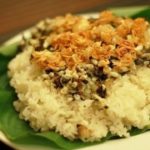
Curious about the verse “Her season of fragrance of glutinous rice in Mai Chau” in the poem “Tay Tien” by poet Quang Dung, we decided to visit Lac Hamlet in Mai Chau township in the northern province of Hoa Binh. We were amazed at the landscape of the area and had a chance to enjoy many traditional foods of the Thai ethnic people, including the most famous dish – purple steamed glutinous rice and chicken grilled with wild pepper.
The blooming bauhinia variegata trees make many people think they are lost in the mountain of the Northwestern region. The bauhinia variegata flowers are conspicuous, white and purple, with five soft petals, featuring the typical beauty of the high mountain in the north. The Ban flower season starts in late February and lasts till April. When the flowers are blooming, they look like a fan. Although there are several colours, white and purple are the main colours. At the beginning of the flower season, many roads in Hanoi look more romantic and attractive. On weekends, many foreign visitors choose to call at Ciputra to watch bauhinia variegate blossoming. “We feel as if we get lost in a mountain in the northern highlands of Vietnam,” says Shachin, an Indian visitor and his wife. The Indian couple do not forget to capture an impressive moment right in Hanoi instead of travelling far up north. “We are very happy and l...
The UK and EU member nations will no longer enjoy visa-free travel to Vietnam , according to a proposal submitted to the government by the country’s steering committee on COVID-19 fighting and prevention. Vietnam will also halt its visa exemption policy for citizens of other countries outside of the EU where over 500 cases have been reported or more than 50 new infections are recorded in a single day, according to the proposal. Foreigners who have symptoms of il lness or recent travel history to areas hit by a COVID-19 outbreak will be denied entry into Vietnam . The proposal was announced by Deputy Prime Minister Vu Duc Dam as he chaired a meeting for COVID-19 prevention in Hanoi on Sunday night. Citizens of Russia, Japan, South Korea, Denmark, Norway, Sweden, Finland, and Belarus currently enjoy visa-free travel to Vietnam until December 31, 2022. Nationals from the UK, Germany, Italy, France, and Spain are also exempted from applying for a visa when visiting Vietnam un...
There are now very few families pursuing the trade, but they still try to continue preserving the brand of the traditional trade village. A golden age Few families in Bay Hien weaving village use looms. Nguyen Thi Hue, 80, is the oldest artisan and is one of very few artisans following the ups and downs of the village. She can no longer weave with looms due to her poor eyes and shaking hands. She still remembered the beautiful memories of a golden age of the village. She was born in a commune that was famous for weaving in Dien Ban District, Quang Nam Province. She learned how to spin thread and take shuttle when she was 10 years old. In the 1950s-1960s in the previous century, Quang Nam was devastated by fierce war and harsh nature, making the people’s lives getting more miserable. Many local people migrated to the south and chose this land (now Ward 11) to live and work, creating a small "Quang Nam land’ in the inner Ho Chi Minh City. Early people made their living ...
Comments
Post a Comment